

If we take a look at our everyday lives, we’ll realize that we’re connected to pop culture in some way or another every day. The movies we watch, the songs we listen to, the fashion trends we adopt, even the memes we share on social media—these are all part of pop culture.
Pop culture, or “popular culture,” refers to the things that are most popular in society and are enjoyed by a large number of people. It changes with changes in society, technology, and public perception.
Phase One: The Beginning of Pop Culture
The roots of pop culture can be traced back to the early 20th century, when radio, cinema, and newspapers began to spread information and entertainment to the public.
1. 1950s – Music and Movies
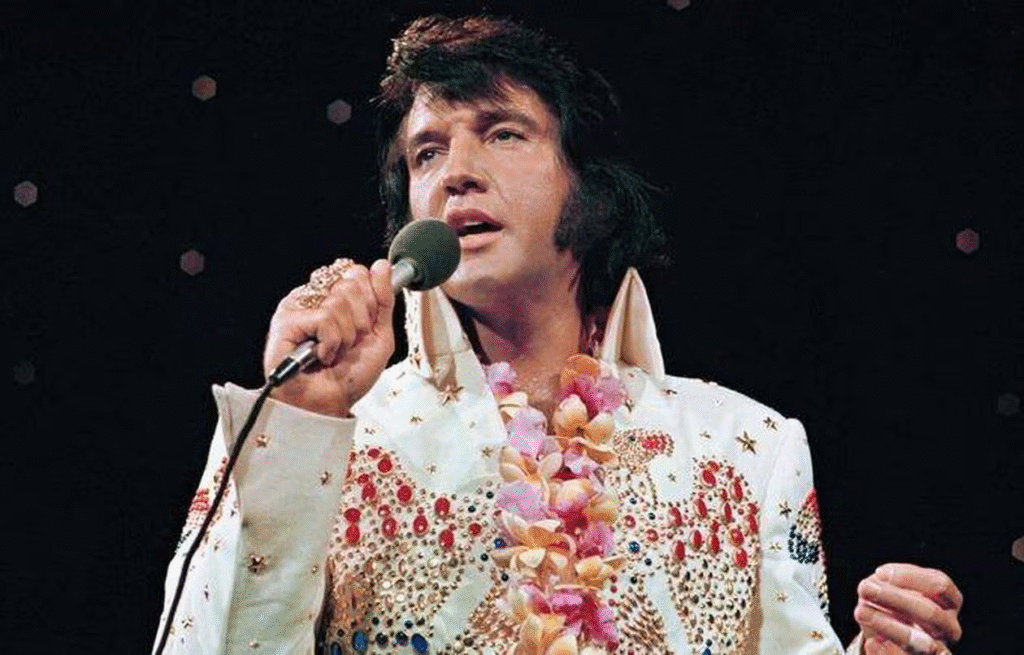
The 1950s saw the dawn of rock and roll. Artists like Elvis Presley took music to new heights. Hollywood also began to shine, and films began to influence society’s fashion, language, and behavior.
2. 1960s – Rebellion and Change
In the 60s, young people rose up against old thinking. Hippie culture was a time that preached freedom and love. Bands like The Beatles and new art styles completely transformed the world of thought.
3. 1970s – The Era of TV and Fashion
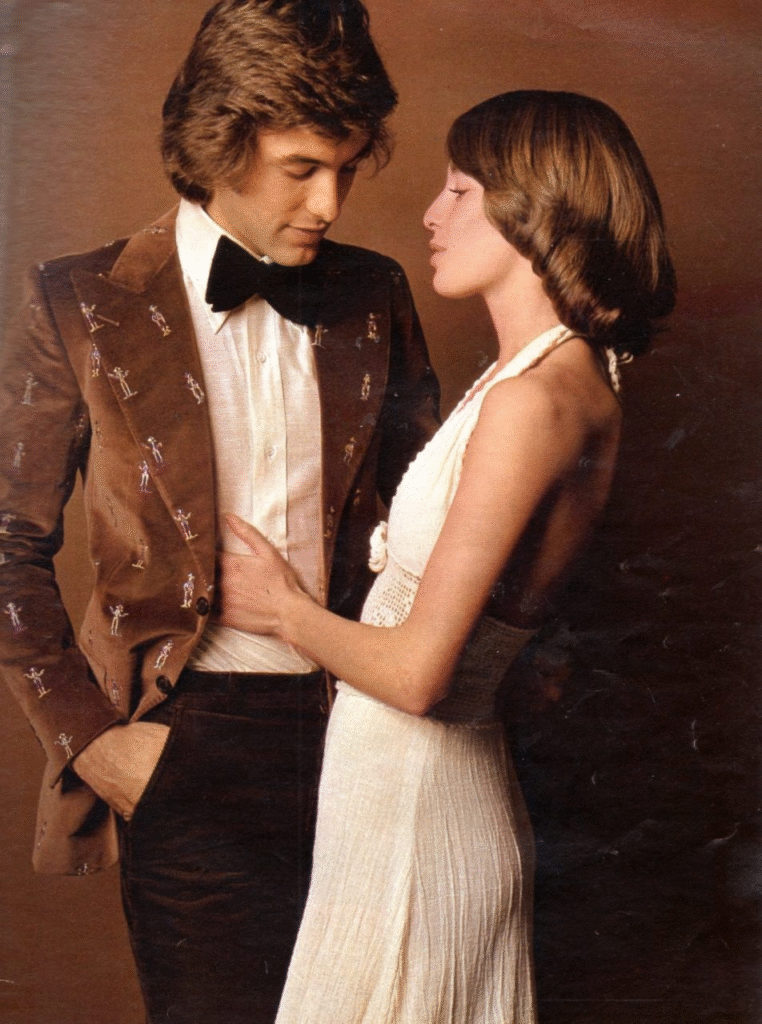
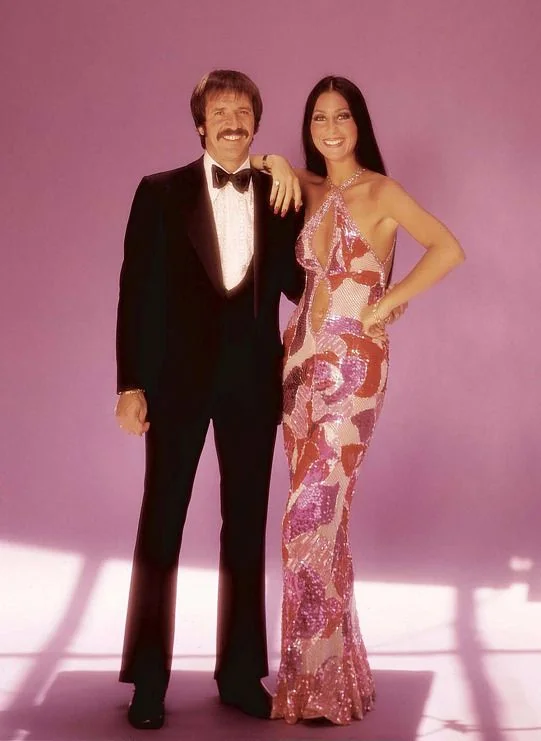
In the 70s, television became a household name. With the advent of color television, people began watching their favorite shows and celebrities daily. Disco music and bold fashion also became a significant part of pop culture.
Round 2: The Digital Revolution and Modern Pop Culture
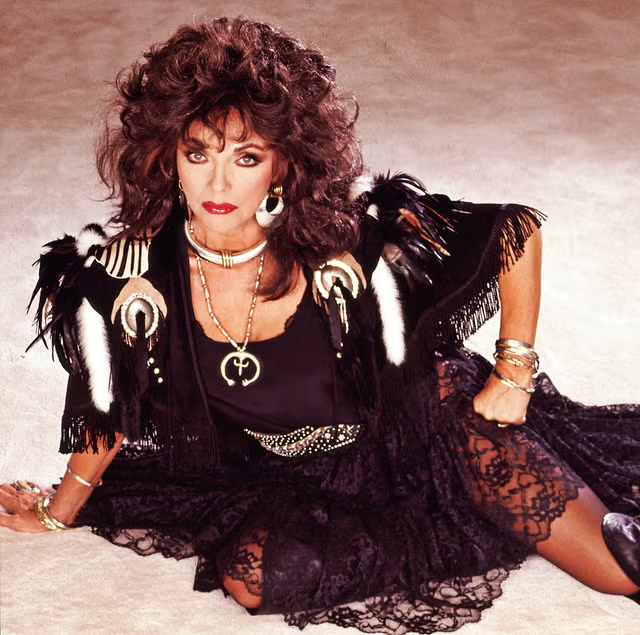
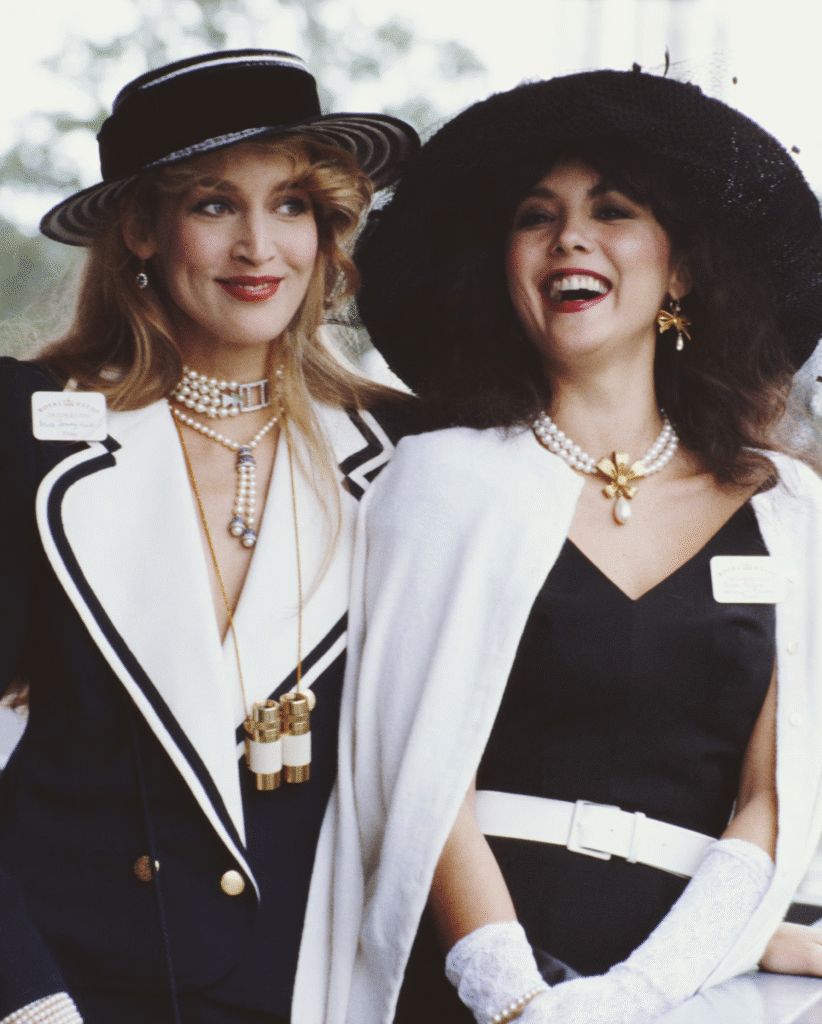
1. 1980s – Glamour and Iconic Music
The 80s were also known as the “Glam Age.” During this decade, artists like Michael Jackson and Madonna redefined pop culture worldwide. Music videos became popular through MTV, and fashion trends began to change.
2. 1990s – The advent of the Internet
The 90s saw the advent of the internet, and pop culture began to take a global form. People were no longer limited to television or radio. They began listening to music, accessing film information, and connecting with people around the world online. This era made pop culture a global language.
3. 2000s – The Age of Social Media
The 2000s saw the advent of sites like Facebook, YouTube, and Twitter, ushering in a new wave of change. Now, everyone could become a content creator. Memes, viral videos, and reality shows made pop culture even more “digital.”
Round Three: Today’s Pop Culture
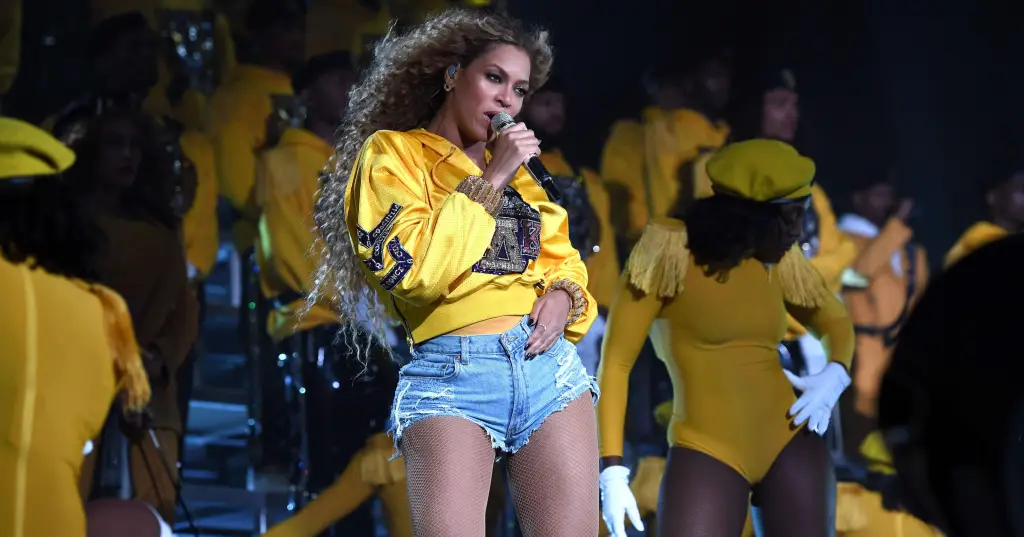
Today’s pop culture is faster and more dynamic than ever before. Every day, new trends emerge and disappear just as quickly.
1. The Age of Social Media Influencers
Today, there are millions of influencers on Instagram, TikTok, and YouTube, setting trends in fashion, travel, fitness, or entertainment. While film stars used to be the faces of pop culture, social media stars have now taken their place.
2. Memes and Reels
Memes are no longer just a source of humor, but have become a creative way to express society’s thoughts and feelings. Reels and short videos have taught people how to entertain in seconds.
3. New Directions in Fashion and Music
Today’s fashion is directly influenced by social media. From Korean pop (K-pop) to streetwear, every trend spreads worldwide via the internet. Similarly, music has become a global language—the language of a song doesn’t matter, only its “vibe.”
The impact of pop culture on society
Pop culture isn’t just entertainment, it also influences our thoughts, habits, and behavior.
- Identity and expression: People express themselves through their clothes, music, or movies.
- Social engagement: Trends and memes connect people. No matter what country you’re in, a viral trend can connect you with others.
- Advertising and Branding: Companies use pop culture to make their products “cool” and “relatable.”
The Future of Pop Culture: What Next?
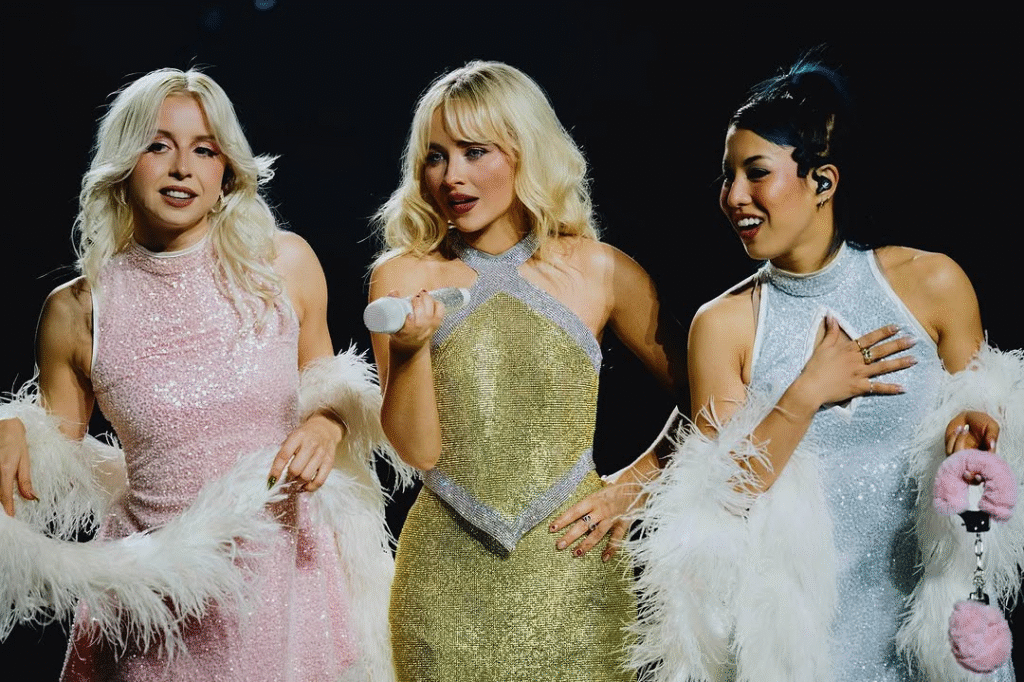
Pop culture is going to become even more technological and interactive in the future.
1. AI and Virtual Influencers
Virtual influencers created using artificial intelligence are now gaining popularity on social media. These digital personalities are garnering millions of followers without actually being real people.
2. Metaverse and Digital Identity
In the metaverse, people are creating their own digital identities. Fashion, music, and art are all in virtual form. In the coming years, pop culture will become a bridge connecting the real and digital worlds.
3. Global influences and cultural mix
National borders no longer limit pop culture. Korean, Japanese, Indian, and American cultures are merging to create a new “global pop culture.”
Pop culture has never been static. It has always evolved with society—from radio to reels, from cinema to social media. It shows us how people think, connect, and express themselves. Today, we live in an age where everyone can be the hero of their own story. Whether it’s a YouTuber, a meme creator, or a fashion blogger—everyone is a part of pop culture. The real magic of pop culture is that it never stops, it just keeps changing.
All information provided in this blog is for general information and entertainment purposes only. The opinions expressed in this article are based on the author’s personal experiences and perspectives. No offense is intended to any individual, organization, or brand. Readers are advised to conduct their own research or seek the advice of relevant experts before making any decisions.
#PopCulture #IndianPopCulture #DigitalCulture #Carrerbook #Anslation #SocialMediaTrends #EntertainmentWorld #CulturalEvolution #MusicAndMovies #YouthCulture #ViralTrends #KpopInfluence #FashionCulture #BollywoodBuzz #PopCultureBlog #LifestyleTrends #ModernCulture #PopCultureIndia